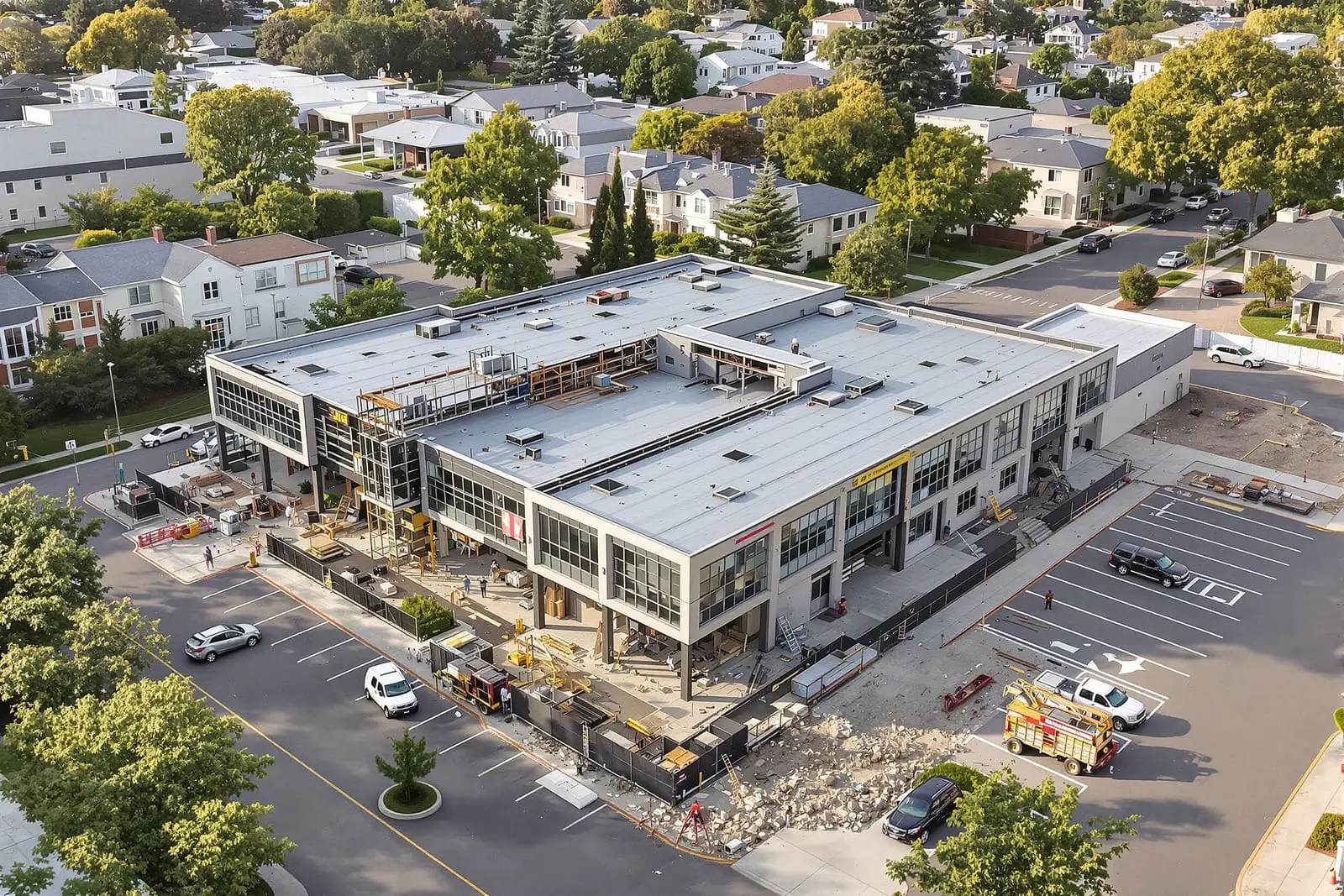
We provide medical facility demolition in Nashville, TN for hospitals, clinics, and labs. Our team understands infection control, waste handling, and sensitive equipment removal. With strict protocols and coordination, we complete interior and structural demolition while protecting ongoing healthcare operations when required.
Wrexo Demolition Nashville provides professional medical facility demolition throughout Nashville, TN and the surrounding area. Our licensed, insured crew delivers safe, clean, on-time work with a free estimate before anything begins. Call (629) 316-3265 or request your free quote.
Medical Facility Demolition in Nashville With Clinical-Level Precision
Medical and healthcare facility demolition is very different from taking down a typical commercial building. Wrexo Demolition Nashville treats these projects like a clinical procedure, with strict containment, infection control, and regulatory compliance.
In Middle Tennessee, many facilities we work on are older hospital wings, outpatient clinics, surgery centers, dental offices, and labs that have been renovated multiple times. Behind the walls you often find a maze of capped medical gases, abandoned oxygen lines, unknown electrical feeds, and mixed construction materials. Before a single wall comes down, we perform a detailed survey of mechanical, electrical, and plumbing systems, along with a hazardous materials review.
Our team coordinates with facility management, infection control, and often a third-party industrial hygienist to plan demolition in phases. This lets parts of the building keep operating while other areas are taken offline. We sequence noisy or vibration-heavy work around patient schedules, imaging procedures, and sleep hours in adjoining units so care is not disrupted.
Step-by-Step Process for Healthcare Facility Demolition
Every medical facility demolition project begins with documentation. We review existing plans, as-builts, and any recent renovation drawings. Where plans are missing or unreliable, we open strategic inspection points to confirm wall types, fire ratings, and hidden utilities.
Next we establish barriers and control zones. We build temporary walls, sealed doors, and debris chutes that meet or exceed hospital infection control risk assessment (ICRA) expectations. Negative air machines with HEPA filtration are installed to pull dust away from active clinical areas.
Selective soft strip follows. This includes removal of casework, doors, ceiling grid and tile, lighting, and non-critical finishes. We disconnect or reroute data cabling, nurse call systems, and low-voltage lines so that active departments on other floors remain online.
Structural or hard demolition is done only after all utilities are verified safe and shutoff permits or lockout-tagout procedures are in place. We use saw cutting, coring, and small machinery where possible instead of large impact tools to minimize vibration around sensitive equipment. Throughout the process, we log daily progress, photos, and utility changes so your renovation or rebuild team receives a clean, clearly documented space.
Infection Control, Containment, and Patient Safety
Demolition inside or next to active healthcare spaces carries infection control risks that standard commercial projects do not have. Wrexo Demolition Nashville works closely with your infection prevention team to build a project-specific containment plan.
We install airtight poly or rigid barriers around work zones, then use negative air machines with HEPA filters and dedicated exhaust paths to the exterior. Entry points are set up with tack mats and zipper doors or antechambers to limit dust migration. In higher risk areas, we can add anterooms with separate negative pressure control.
All cutting and material handling is planned to keep dust levels low. Where required by the facility, we schedule high-dust tasks during low census periods or after-hours. Housekeeping and wipe-down of adjacent corridors and elevators is integrated into our daily tasks so staff and patients do not encounter visible debris or dust.
For specialty areas like operating rooms, sterile processing, imaging suites, or oncology infusion spaces, additional precautions are applied, such as double barriers, extended pressure monitoring, and more frequent filter changes. Our goal is simple: allow your clinical staff to focus on patients while we control every aspect of demolition impact.
Handling Hazardous Materials, Medical Gases, and Regulated Waste
Healthcare facilities in Nashville frequently contain materials and systems that demand special handling. Older buildings often include asbestos-containing floor tile, mastics, pipe insulation, or transite panels. Lead paint is common on structural components and fire doors. Labs and procedure areas may have residual chemicals or bio-contaminated surfaces.
Before demolition, we coordinate a hazardous materials survey if you do not already have one. Identified asbestos is removed by a licensed abatement contractor under separate containment, then cleared by air testing before we advance. Lead-containing components are managed to minimize dust, with appropriate worker protection and waste segregation.
Medical gas lines, such as oxygen, nitrous oxide, and vacuum, cannot simply be cut. We require documented shutoff and purge by a certified gas contractor or your facility vendor, then verify on-site with lockout-tagout tags. Only after confirmation do we remove piping and manifolds.
Certain materials, like fluorescent lamps, some ballasts, and mercury thermostats, are treated as universal or hazardous waste and routed to approved disposal or recycling facilities. If we encounter stored sharps containers, red bag waste, or unknown vials during demo, work is stopped in that area, the material is reported, and your environmental services team is engaged to remove it safely before we continue.
What Drives the Cost of Medical Facility Demolition in Nashville
Pricing for medical facility demolition in the Nashville area is shaped by more than square footage. The biggest drivers are access limits, infection control requirements, and complexity of existing systems.
Projects in dense hospital campuses around Vanderbilt, Midtown, or downtown often require night or weekend work, strict noise windows, and tight material handling routes using specific elevators. This adds labor time and supervision. If your facility needs upgraded ICRA-level containment, extended negative air, or continuous air monitoring, that also affects cost.
Existing conditions are another big factor. Multiple generations of renovations usually mean layered ceilings, unknown utilities in the plenum, and structural surprises. We plan for investigative work and carefully controlled demolition to avoid service interruptions to other departments, which is more time-intensive than tearing out an empty shell.
To give accurate pricing, Wrexo Demolition Nashville performs a site walk, reviews your phasing needs and schedule, checks for hazmat reports, and talks directly with your facilities and infection prevention staff. We then present a line-item proposal that identifies containment, protection, demolition, hauling, and any optional add-ons like extended off-hours work.
Coordination With Hospitals, Clinics, and Design Teams
Successful healthcare demolition lives or dies on coordination. We begin by mapping stakeholders: facilities leadership, infection prevention, nursing managers, IT, security, and the general contractor or architect. Each group has different constraints and concerns.
Before mobilization, we hold a coordination meeting to lock in pathways for debris, delivery staging, power shutoffs, fire alarm impairment procedures, and emergency egress. For multi-phase projects, we help sequence work around move-ins, equipment relocations, and seasonal patient surges that many Nashville hospitals experience during respiratory season.
We also understand the approvals many local systems require. Whether you operate under a large regional health network, a private specialty clinic, or a standalone surgery center, we adapt our communication style to your internal processes. Daily or weekly updates, noise and vibration forecasts, and schedule look-aheads are standard, so leadership always knows what to expect.
By the time we start removing walls, your staff should feel that demolition is a controlled operation, not a disruption. When we turn an area back over, it is broom clean, clearly labeled, and ready for your construction team to begin build-out without sorting through demolition remnants.
Choosing Wrexo Demolition Nashville for Your Healthcare Project
When you hire a demolition contractor for a healthcare facility, you are trusting them to protect your license, your reputation, and your patients. Wrexo Demolition Nashville focuses on clean, disciplined, and predictable performance.
Our crews are trained on healthcare-specific issues such as HIPAA awareness around charts and patient discussions, infection control basics, and how to work respectfully around clinical staff and visitors. We understand that even when we are in a contained zone, our behavior in hallways, elevators, and parking areas reflects on your organization.
We carry appropriate licensing and insurance for commercial and healthcare projects in Tennessee and keep documentation ready for your risk management department. Safety plans, SDS records, equipment inspection logs, and daily job reports are available upon request.
If you are planning a renovation, adaptive reuse, or full removal of a medical building in the Nashville area, involve us early. We can help identify risky conditions, suggest phasing that keeps more of your facility operational, and give your design team realistic demolition parameters. The earlier we begin that conversation, the smoother and safer your project will run from first barrier to final cleanup.
“
Professional medical and healthcare facility demolition, done right the first time, quality materials, honest pricing, and results that last.
Wrexo Demolition Nashville
Medical and Healthcare Facility Demolition Across Our Service Area