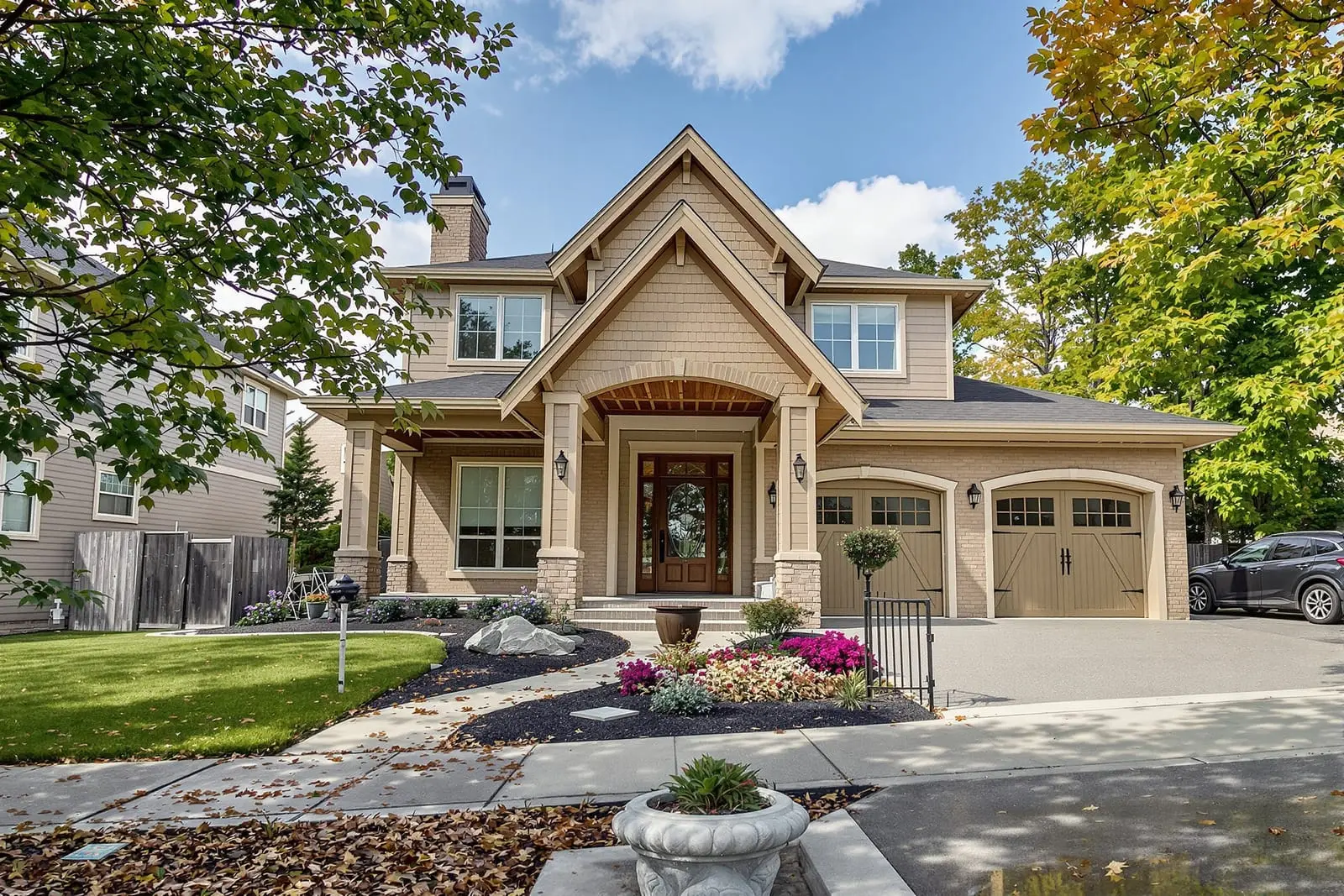
Our residential deconstruction services in Nashville, TN focus on salvaging valuable materials while carefully dismantling homes and additions. We work methodically to reclaim lumber, doors, windows, and fixtures for reuse or donation. This approach reduces landfill waste and can create tax and material savings for homeowners.
Wrexo Demolition Nashville provides professional residential deconstruction throughout Nashville, TN and the surrounding area. Our licensed, insured crew delivers safe, clean, on-time work with a free estimate before anything begins. Call (629) 316-3265 or request your free quote.
Thoughtful Residential Deconstruction in Nashville
Residential deconstruction is more than careful demolition. It is a planned process of taking a home or room apart piece by piece so materials can be reused or recycled instead of going to a landfill. At Wrexo Demolition Nashville, we focus on protecting salvageable materials, keeping your project safe, and respecting the surrounding neighborhood.
In Nashville, many older homes contain valuable lumber, solid wood doors, antique trim, brick, and hardware that can be reused in renovations or donated to local reuse centers. A standard mechanical tear down usually destroys those assets. Residential deconstruction lets us capture that value and reduce disposal fees, while keeping your lot ready for a new build or remodel.
Our team meets you at the property, walks the house with you, and explains which materials are worth salvaging, how long the work will take, and how this method compares to full demolition. You get clear options so you can decide what matters more for your project, speed, maximum salvage, or a balance of both.
How Our Residential Salvage and Deconstruction Process Works
Every project with Wrexo Demolition Nashville starts with an on site evaluation. We inspect the structure, note any settling or structural weaknesses, locate utilities, and list salvageable items like cabinets, flooring, fixtures, and framing. We also ask about your priorities, whether you want specific items saved for your own use, for resale, or for donation.
Once we know what can be recovered, we create a step by step deconstruction plan. Interior contents and fixtures come out first. Our crew removes doors, lighting, sinks, appliances, and built ins by hand, tagging and grouping them so nothing is lost or damaged. Next, we carefully pull flooring, trim, and cabinets so nails and screws are minimized and surfaces stay intact.
After interiors are stripped, we move to the building shell. Roof coverings and decking are removed in sections, then rafters and ceiling joists. Exterior siding and brick are taken down in courses, not smashed, so bricks and boards can be palletized for reuse. When we reach the framing, we work systematically from the top down, removing wall studs, headers, and beams while maintaining bracing so the structure stays stable until the last stage.
Throughout the process, we separate materials into categories on site. Reuse, such as doors, fixtures, flooring, and cabinets. Reclaimable, such as dimensional lumber, bricks, and some metals. Recyclables, such as clean concrete, metals, and certain plastics. Only what truly cannot be reused or recycled is treated as waste. This careful sorting is what makes residential deconstruction different from standard demolition.
What Can Be Salvaged From Your Nashville Home
Older Nashville homes, especially in neighborhoods like East Nashville, Sylvan Park, and Inglewood, often contain materials that perform better than many modern equivalents. Wrexo Demolition Nashville regularly salvages full dimension lumber that is denser and stronger than typical new framing lumber. This wood can be reused in custom furniture, exposed beams, or accent walls.
We commonly recover hardwood flooring, including oak, pine, and maple, that can be refinished and reinstalled. Solid wood interior and exterior doors, brass and glass hardware, clawfoot tubs, cast iron sinks, and built in shelving are all frequent salvage wins. From brick bungalows and mid century houses, we often reclaim old brick that is prized for its patina in garden walls, fireplaces, and new facades.
Even in more recent construction, there is value. Cabinets in good condition, newer appliances, lighting, ceiling fans, and vinyl or aluminum windows can be removed in working order. These items are often donated to local building reuse organizations or resold, which can offset your project costs. If you have interest in keeping certain elements, such as a favorite front door or stained glass window, we mark those for priority removal and special handling.
During our initial visit, we will point out exactly what we believe can be safely salvaged, what is marginal, and what is not worth the labor. This helps you decide how deep you want to go with deconstruction based on your budget and schedule.
Cost Factors and Ways to Control Your Budget
Residential deconstruction usually takes more labor than standard demolition, so understanding cost drivers upfront is important. At Wrexo Demolition Nashville, we break your estimate into clear parts so you can see where your money is going.
The main factors that affect cost are the size and complexity of the structure, the amount of salvageable material, the accessibility of the site, and the presence of hazards like asbestos, lead paint, or mold. Tall or heavily remodeled homes take more time because multiple construction eras overlap and assemblies are more complex. Tight urban lots with limited equipment access or no onsite parking can also add time.
Material choices in the existing home matter as well. Intricate trim, plaster walls, tile assemblies, and built in cabinetry all require more careful removal than basic drywall and carpet. On the other hand, homes with high quality lumber, desirable flooring, and vintage fixtures can justify a deeper salvage effort because the recovered value is higher.
If you need to manage costs, we can design a hybrid approach. For example, we might fully salvage high value interior items and key structural elements, then bring in machinery to complete the remaining demolition more quickly. We can also reduce costs by targeting only specific rooms or additions for deconstruction rather than the entire house.
We always discuss disposal and recycling fees so you can see how much you save by diverting material from landfills. In some cases, donating materials to qualifying nonprofits can provide you with potential tax benefits, which we can coordinate with your chosen organization and your tax professional.
Permits, Utilities, and Safety in Davidson County
In Nashville and Davidson County, any significant demolition or residential deconstruction typically requires permits and strict coordination with utility providers. Wrexo Demolition Nashville handles these details so you do not have to navigate city paperwork on your own.
Before work begins, we verify zoning and permitting requirements with Metro Codes. We schedule utility shutoffs for electric, gas, and water, and call 811 to have underground utilities marked. On many older Nashville properties, there are surprises such as undocumented gas lines, private sewer laterals, or legacy electrical feeds. Our planning includes extra time to identify and isolate these safely.
Safety for your family and neighbors is always a priority. We establish clear work zones, secure fencing where needed, and post signage to keep pedestrians and vehicles away from active deconstruction areas. Dust control is addressed with misting as we work, particularly important in dense neighborhoods and for homes with suspected lead based paint.
For homes built before the late 1970s, we often recommend testing for asbestos containing materials such as floor tiles, old linoleum, pipe insulation, and certain joint compounds. If asbestos or other hazardous materials are found, we coordinate licensed abatement before deconstruction continues. This protects your property value and ensures compliance with Tennessee and local regulations.
How Nashville Weather and Seasonal Timing Affect Deconstruction
Nashville’s climate directly affects planning and scheduling for residential deconstruction. Our humid summers, heavy spring and fall rains, and occasional winter freezes all require a local approach. Wrexo Demolition Nashville schedules work phases to keep your lot safe and to avoid damage to salvageable materials.
During hot, humid months, we prioritize early morning interior work, when conditions are safer and dust is easier to manage. We cover salvage piles with breathable tarps so wood does not warp or mold while waiting for transport or pickup. In rainy seasons, we pay close attention to the forecast before opening roofs or removing major exterior walls, and we sequence work so the structure is not left exposed overnight without proper temporary protection.
If you are coordinating deconstruction with a new build or addition, we help you choose a window that fits both our work and your builder’s schedule. In Nashville, many builders prefer foundations and framing to start in drier periods, so planning deconstruction 2 to 4 weeks ahead of that window is often ideal. We also keep in mind access for concrete trucks and material deliveries, which can be complicated if the lot becomes muddy from heavy rain.
Cold snaps can affect concrete recycling and hauling, so we sometimes adjust the order of operations in winter, salvaging interiors and fixtures first, then moving to heavy exterior work on milder days. These local adjustments help keep your project moving without sacrificing safety or salvage quality.
What to Expect When You Work With Wrexo Demolition Nashville
From your first call, we focus on clear communication and predictable steps. Our process typically follows the same structure, site visit and consultation, written proposal with scope options, scheduling and permitting, careful salvage and deconstruction, debris removal and recycling, and final site readiness for your next phase.
During the site visit, you walk the home with a Wrexo Demolition Nashville project lead. We listen to your plans for the property, whether you are rebuilding a single family home, adding an ADU, or preparing a lot for sale. We document items you want to keep, and we explain what will be donated, recycled, or discarded.
Your proposal will spell out the level of residential deconstruction, timelines, estimated salvage categories, and any known contingencies such as possible asbestos or complex utility work. You can compare a more extensive salvage option with a streamlined version that balances cost and material recovery.
Once approved, we handle permits, utility coordination, and neighborhood notifications where appropriate. During the work, you have a single point of contact who provides updates and photos if you are not on site. When we finish, we remove temporary fencing and debris, rough grade disturbed areas, and leave the site ready for your builder or contractor.
Our goal is simple, to make residential salvage and deconstruction in Nashville practical, understandable, and beneficial for you, your neighbors, and the environment.
“
Professional residential salvage and deconstruction, done right the first time, quality materials, honest pricing, and results that last.
Wrexo Demolition Nashville
Residential Salvage and Deconstruction Across Our Service Area